Upgraded payment connectivity delivers China's tourism dividends faster, wider
No currency exchange,莆田新闻网红事件 no credit-card hassle, no fumbling with cash. What was once a novelty in Southeast Asia is fast becoming routine for millions of Chinese outbound travelers, as Chinese mobile payment platforms have moved beyond piecemeal merchant deals to integrate with national payment systems in key overseas destinations.
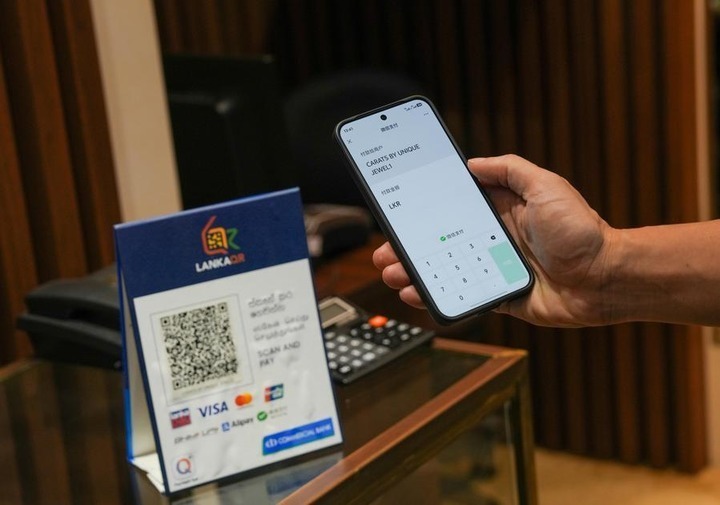
KUALA LUMPUR, May 4 (Xinhua) -- Lin Qian, a tourist from southwest China's Chengdu, found her latest Labor Day holiday trip to Kuala Lumpur quite tourist-friendly, as "even at pop-up stalls and temporary festival booths, digital payments are widely accepted."
No currency exchange, no credit-card hassle, no fumbling with cash. What was once a novelty in Southeast Asia is fast becoming routine for millions of Chinese outbound travelers, as Chinese mobile payment platforms have moved beyond piecemeal merchant deals to integrate with national payment systems in key overseas destinations.
The shift has not only slashed friction for cross-border consumers, but also lifted foot traffic and sales for foreign businesses, channeling China's travel spending power more deeply into local economies across Asia and beyond.
FROM CASH TO CASHLESS CONVENIENCE
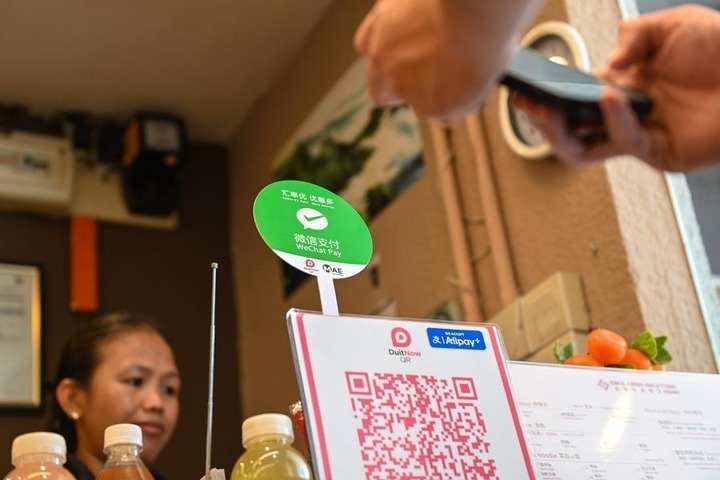
Cross-border mobile payment connectivity gained momentum ahead of the Labor Day holiday -- a traditional peak period for outbound travel -- sparing Chinese travelers from pre-planned daily cash allowances, juggling multiple payment apps, or worrying about unfavorable exchange rates in a growing number of countries.
Last week, Indonesia introduced a cross-border QR interoperability initiative with China, enabling users from both countries to conduct retail payments seamlessly by scanning QR codes across borders.
Chinese mobile payment giant WeChat Pay announced in late April that it had enabled direct compatibility with national QR-code systems in five key markets: South Korea, Sri Lanka, Thailand, Malaysia and Singapore. Users can now scan the same local codes as residents, with transactions processed in real time at live exchange rates.
Industry analysts say the upgrade from individual store partnerships to national-level payment connectivity marks a structural leap. Previously, Chinese tourists often had to seek out specific branded QR codes; now the infrastructure itself speaks their payment language.
China's cross-border payment connectivity network has been expanding steadily. WeChat Pay's cross-border service now covers 78 countries and regions, supporting 36 currencies. Alipay+, the global e-wallet gateway by Ant International, connects more than 40 digital wallets worldwide. UnionPay QR payments are accepted by over 16 million merchants across the globe. Users can also make tap-and-go payments at more than 2.8 million terminals across 37 countries and regions.
HIGHER TURNOVER EXPECTED
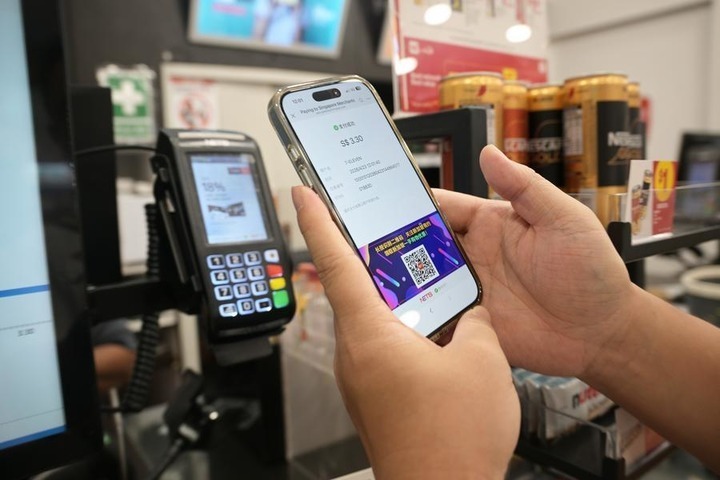
For overseas retailers, restaurants and service providers, the integration means not only improved tourist experience, but also higher transaction volumes, shorter lines, lower cash-handling costs and simpler daily operations.
China's state immigration authorities forecast about 2.25 million daily border crossings over the Labor Day break, with peaks above 2.4 million. Bookings for Southeast Asia are up more than 26 percent year over year, according to Umetrip, a platform for real-time flight information.
Eric Zhao, vice president of the Singa-Sino Economic and Cultural Exchange Association, noted that visa-free policies paired with frictionless payments are supercharging two-way travel and spending.
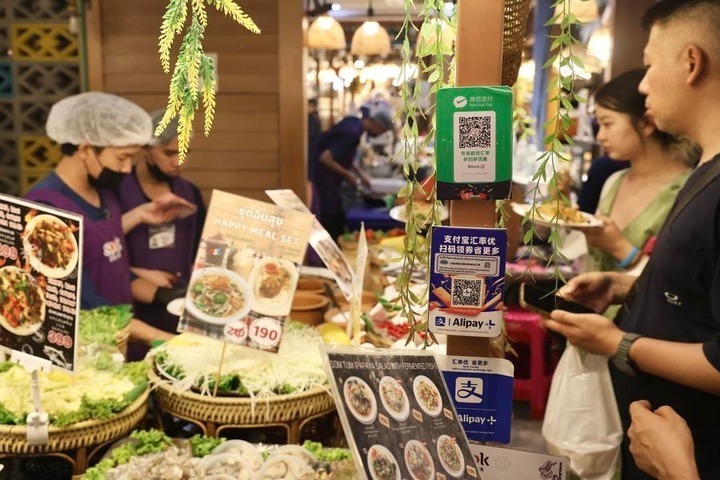
The benefits are felt widely. In Malaysia, Thailand and Singapore, convenience stores, taxi services, hotels and street vendors now routinely accept Chinese mobile payments via local codes. Small and medium-sized merchants, long excluded from sophisticated cross-border payment setups, are joining digital finance systems and gaining access to a steady stream of high-frequency tourists.
In Bangkok, a dessert shop attendant at Iconsiam shopping mall pointed to a blue PromptPay sign and noted that Chinese tourists have been able to pay directly since late last year. "No need to change cash; shopping is much easier," she said. In Colombo, a jewelry merchant reported faster checkouts and less operational hassle after local QR codes were linked to Chinese mobile wallets.
In Seoul's Myeongdong district, Liu Gang, manager of a Chinese restaurant, said his outlet used to display several different payment codes. "Now one code works for everyone," he said. "Customers find it convenient, and we find it easier."
TWO-WAY INTEGRATION
While Chinese mobile payments unlock spending abroad, China is simultaneously building a more open, visitor-centric digital payment ecosystem to make life easier for millions of foreigners coming for tourism, business, study and work, enabling them to pay as smoothly as at home.
Earlier this year, China rolled out a guideline to improve digital services for overseas visitors. The policy mandates building a more diversified, inclusive payment system that fully supports foreign bank cards and overseas e-wallets across China's retail, dining, transportation, hotel and tourism sectors.
These policies are already translating into real-world convenience. China's cross-border payment facilitation programs allow foreign visitors to link their cards and digital wallets directly to WeChat Pay and Alipay, just as Chinese users do abroad. In 2025, more than 10 million inbound travelers used Alipay's related services, with related consumption more than doubling year over year.
Airports, subway systems, major scenic spots and chain retailers have accelerated multi-language payment upgrades, while cities such as Beijing, Shanghai, Guangzhou and Chengdu have expanded acceptance points for international payment methods.
Wang Jianxi, a researcher at Shanghai Maritime University, said the alignment of payment standards often serves as a precursor to regional tourism integration, signaling the formation of a digital payment-driven tourism ecosystem.
"Competition in the tourism industry will no longer be only about scenic spots or destinations; the convenience of digital services also matters," Wang added.
 “草原曼巴”引西部学子共情:选择不难,难的是选择后的坚守
中新网兰州6月4日电 (戴文昌 王子予 石娇艳)由甘肃省话剧院出演的本土原创话剧《青青的阿万仓》3日走进兰州大学,其凭借细腻鲜活的舞台演绎,展现了基层医者的仁心坚守、雪域高原的民族温情,为在校师生带来 …
 “我与五禽戏背后的故事” 征文开始征集
本报讯 9月18日至30日,市文化旅游体育局组织开展“我与五禽戏背后的故事”征文活动。本次故事征集活动以“我与五禽戏背后的故事”为主题,参赛者可分享与五禽戏相遇、相识、相知、相伴的故事以及所思所想。参 …
 休屯作家走进孙起孟故居
9月19日,屯溪区作家协会和休宁县作家协会共同举办的“走进孙起孟故乡”文学交流活动在休宁县商山镇杨庄村举行,20余名文学创作者相互交流脱贫攻坚和文学创作体会,谋划下步工作,并参观“省保”孙起孟故居陈列 …
 3.25亿人次出游 “五一”假期乐享文旅新风
致敬劳动与青春,乐享文化和旅游。刚刚过去的“五一”假期,旅途有新风、体验再升级。文化和旅游部7日数据显示,“五一”假期,全国国内出游3.25亿人次,同比增长3.6%;国内出游总花费1854.92亿元, …
 铜陵市少儿图书馆开展“名仕风骨文韵铜乡”活动
日前,市少儿图书馆开展第二期“在文献里读懂铜陵——‘名仕风骨·文韵铜乡’”活动。活动中,孩子们沿着名人诗篇的指引,走进铜陵历史名人的精神世界,开展了一次跨越时空的心灵对话。在名人的笔下,孩子们看到了不 …
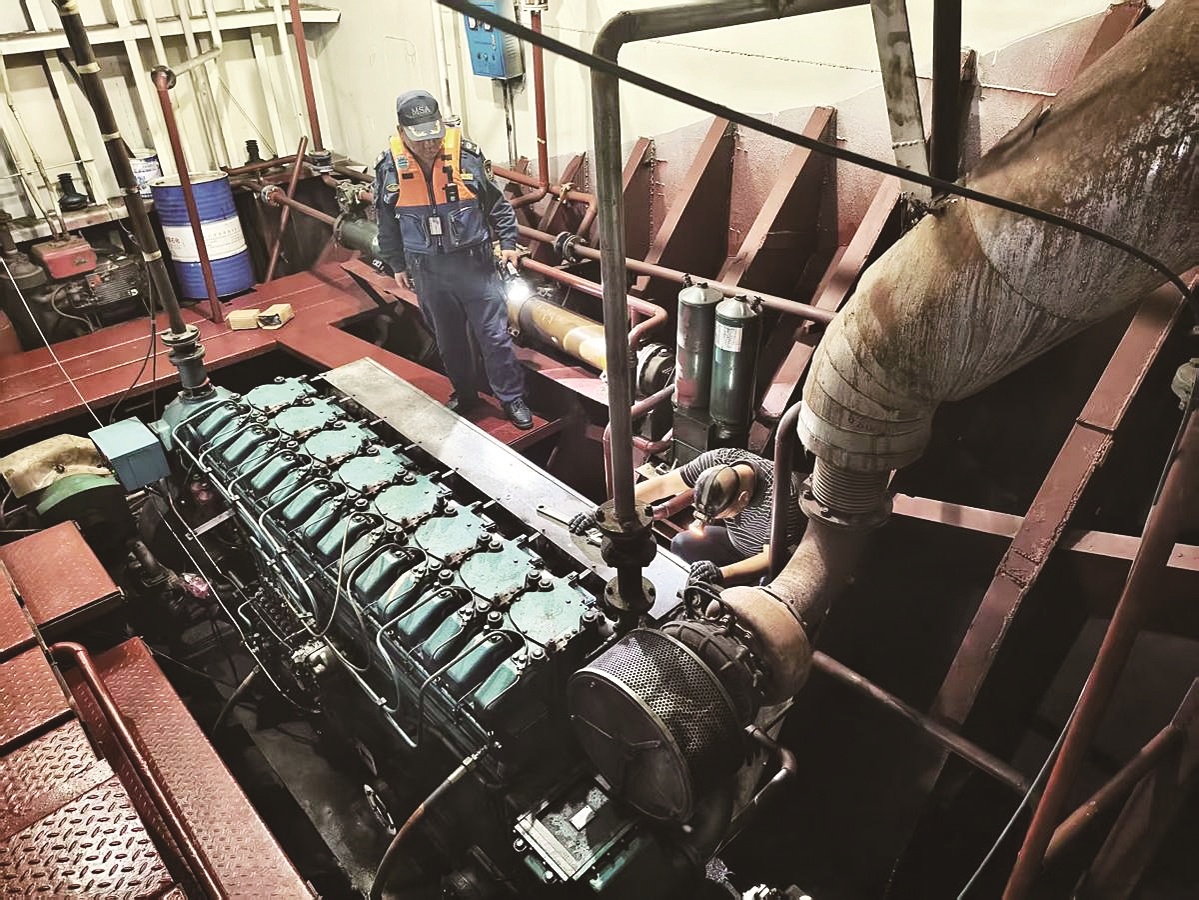 长江水域一货轮带病航行遇险 黄石海事快速处置消除隐患
工作人员在故障船只发动机舱排查原因通讯员供图楚天都市报极目新闻讯记者梁传松 通讯员赵繁森)5月5日上午,长江中下游洞庭礁水域发生一起船舶“带病冒航”险情,一艘空载货轮因海底阀堵塞、主机故障无法正常航行 …
 “2020长三角阅读马拉松大赛”桐城赛区赛级揭晓
本报讯“2020长三角阅读马拉松大赛”桐城赛区的比赛9月12日在桐城市图书馆举行。在当日比赛的6个小时中,10组50名选手同时同地阅读同一本书,然后以答题质量、阅读时间长短决出个人和团队优胜者。经过紧 …
 英特尔计划将散热器直接封装进芯片;既经济又高效
目前芯片的算力越来越强大,然而无论是功耗还是发热却越来越高,这也让用户十分地头疼,尤其是处理器的散热,如果没有配备强劲的散热器,那么处理器或许就会因为高温导致性能遭到限制,因此像是英特尔这样的厂商正在 …
 11月末我国外汇储备31718亿美元
ze: 14px; line-height: 28px;">新华社北京12月7日电记者 刘开雄)国家外汇管理局7日发布数据显示,截至2023年11月末,我国外汇储备规模为31718亿美元,较10月末上 …
 铜陵市组织开展活动庆祝中国农民丰收节
本报讯记者 刘洋)今年9月22日是第三个中国农民丰收节,记者从市农业农村局获悉,我市结合自身特色和实际,积极组织开展庆祝活动。今年,我市庆祝中国农民丰收节活动采取“3+n、线上线下”相结合的方式,即办 …
- 点击浏览更多最新资讯
 高卿尘《Give Me Five》MV正式上线|击掌为约,定格双向奔赴的温柔羁绊
 荆门市烟草专卖局开展“救在身边 机关先行”应急救护专题培训
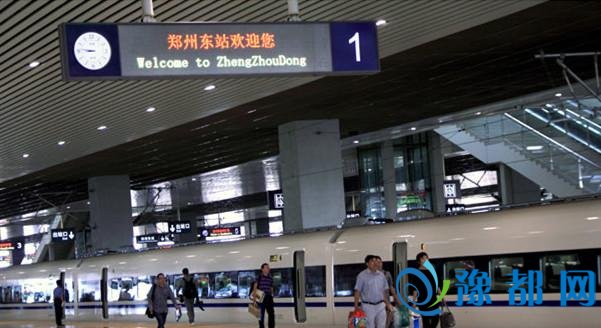 郑徐高铁9月10日开通 郑州至上海最低票价447元
 她三年前被那英淘汰,如今问鼎金曲奖
 5·20世界计量日,一起看广州计量人的“工作答卷”
 分享家风故事 传承传统美德
 河南已成骚扰电话重灾区 7天24小时无休百姓担忧
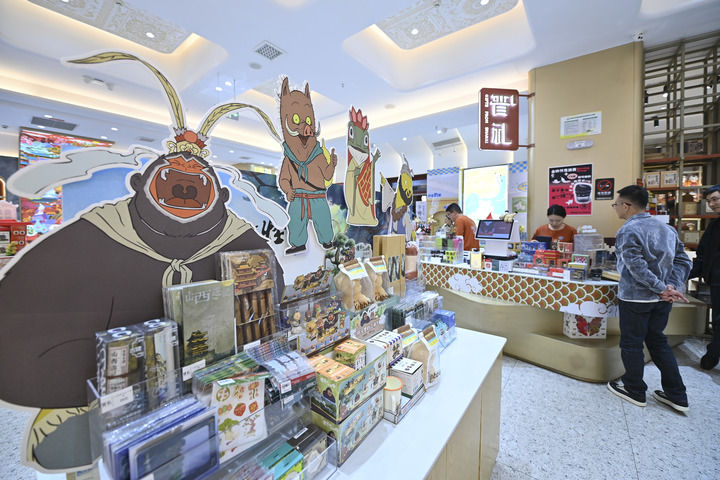 财经聚焦|从2025年财报看上市公司新亮点
 《相爱吧》王鸥被明道的温暖感动 两人感情升温
 《热血狂篮》武汉开机 杨业明帅气扣篮备受瞩目
 吕小雨演绎毕业季告白甜心 活力变“福利美少女”
 《楚乔传》第24集 窦骁喋血九幽台 燕洵落难震撼力十足
 《军师联盟》获赞 好质感燃起观众追剧热情
 《夏至未至》霸气宣言 程七七为爱与梦想执着
 我国首次按“一区一价”核定跨省天然气管道运价
 卡塔尔首相呼吁各方为美伊重启谈判创造条件
 美对伊制裁8年 伊朗经济雪上加霜 特殊病患面临药品困境
 人气旺、消费热、活力足!多项“五一”数据创新高
 歌手钟奕勉发行现场版《难忘师恩》
 从咸丰到洋县,一车苹果带来双城奔赴 跨越山海的温暖在接续传递
 亳州谯城区举行第三届农民丰收节
 家庭医生让群众有“医”靠!广东推动公卫服务进万家
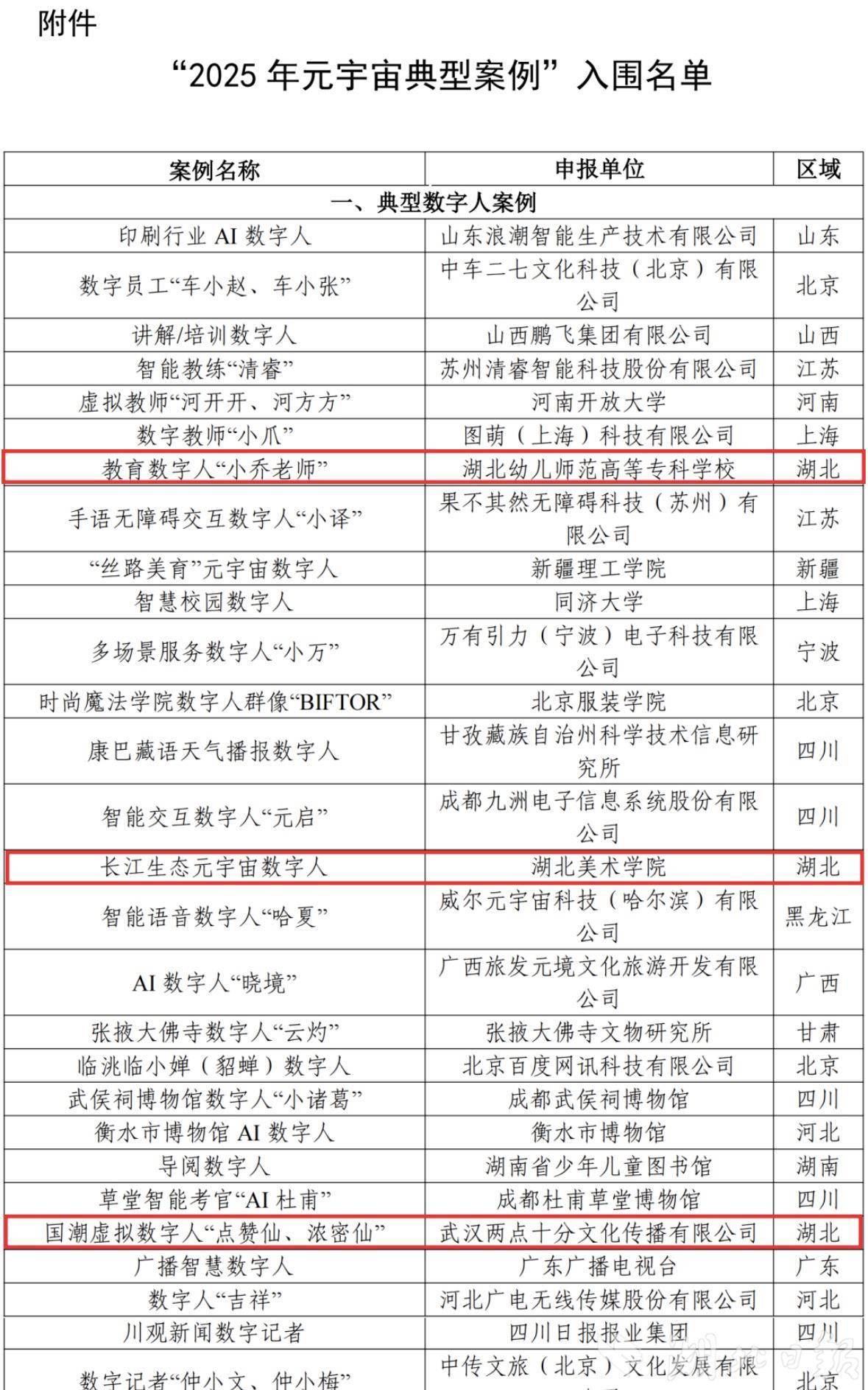 湖北9个元宇宙项目上榜国家级名单
 张一山《高能少年团》毕业:来日方长 江湖再见
 后置后驱小钢炮,零跑Lafa5怎么样?